It runs inside the Claude Code process. The side panel is only what the author's README names. Read the repo before you install, or run claude plugin validate on the plugin folder.
Version
0.4.1
License
Apache-2.0
Repo stars
5
Last change
2026-10-07
What it can reach
Draws in the session
Reaches the network or an outside service
Sees tool calls
Runs a command when you press
Calls another program on this machine
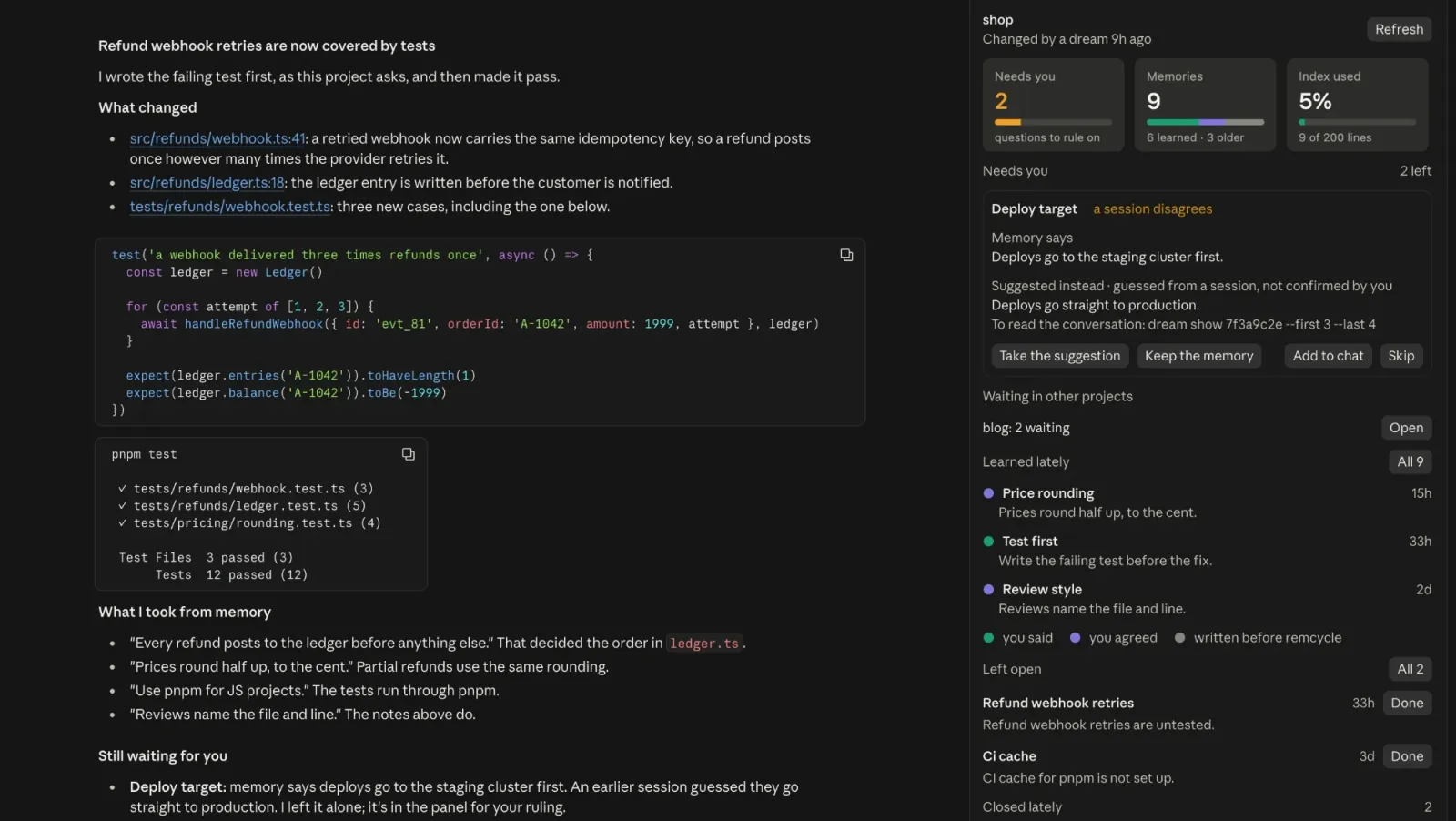
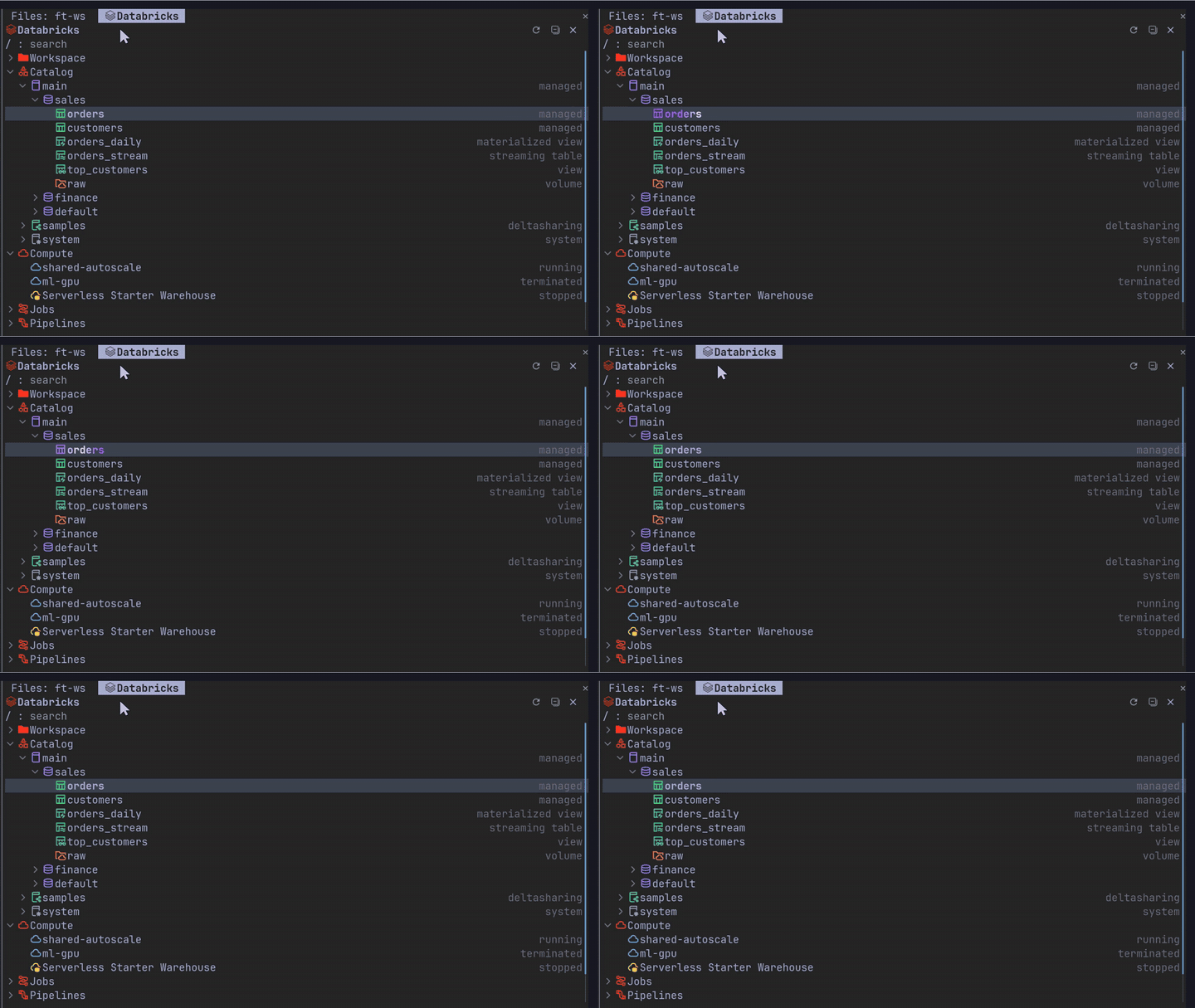
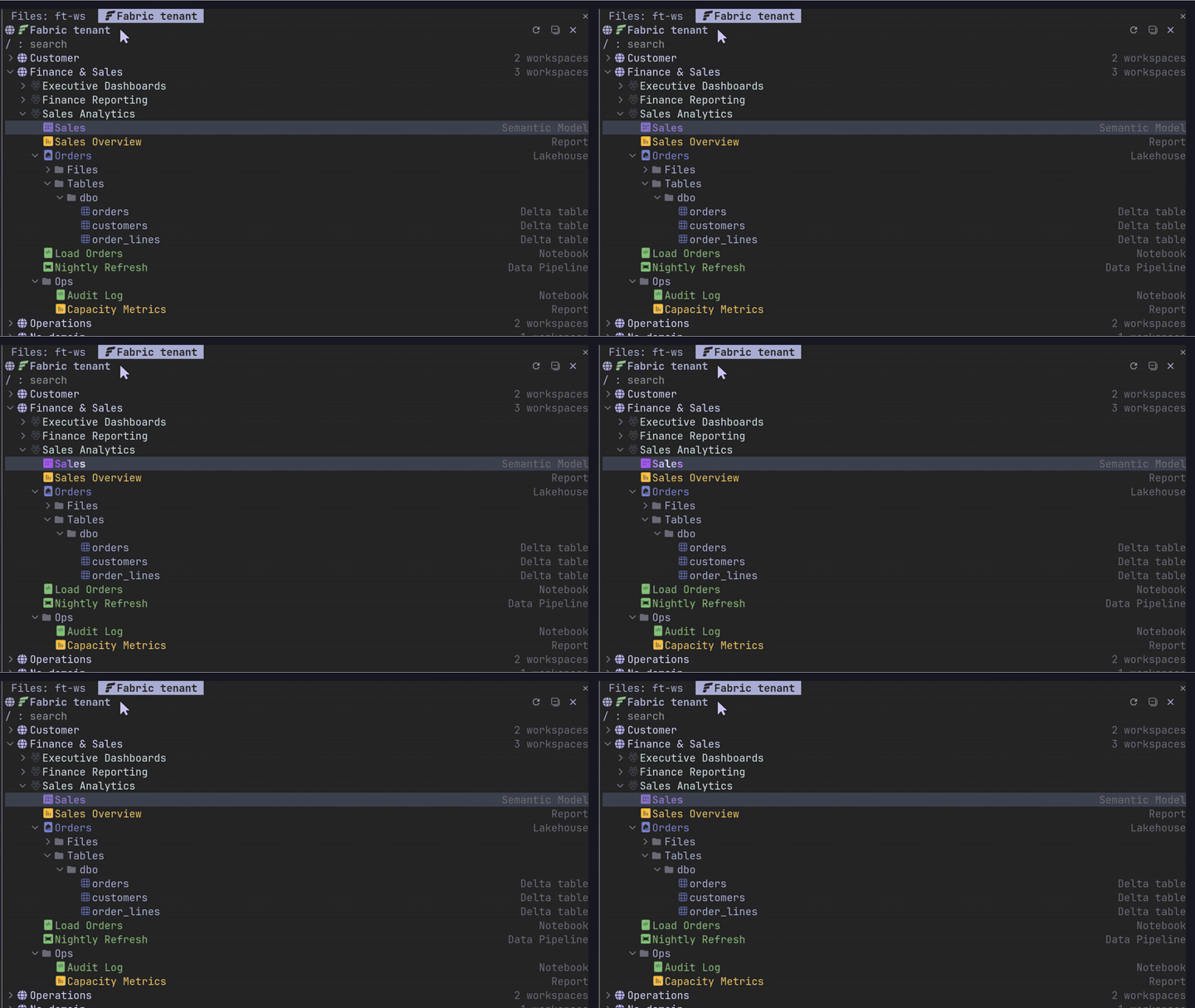
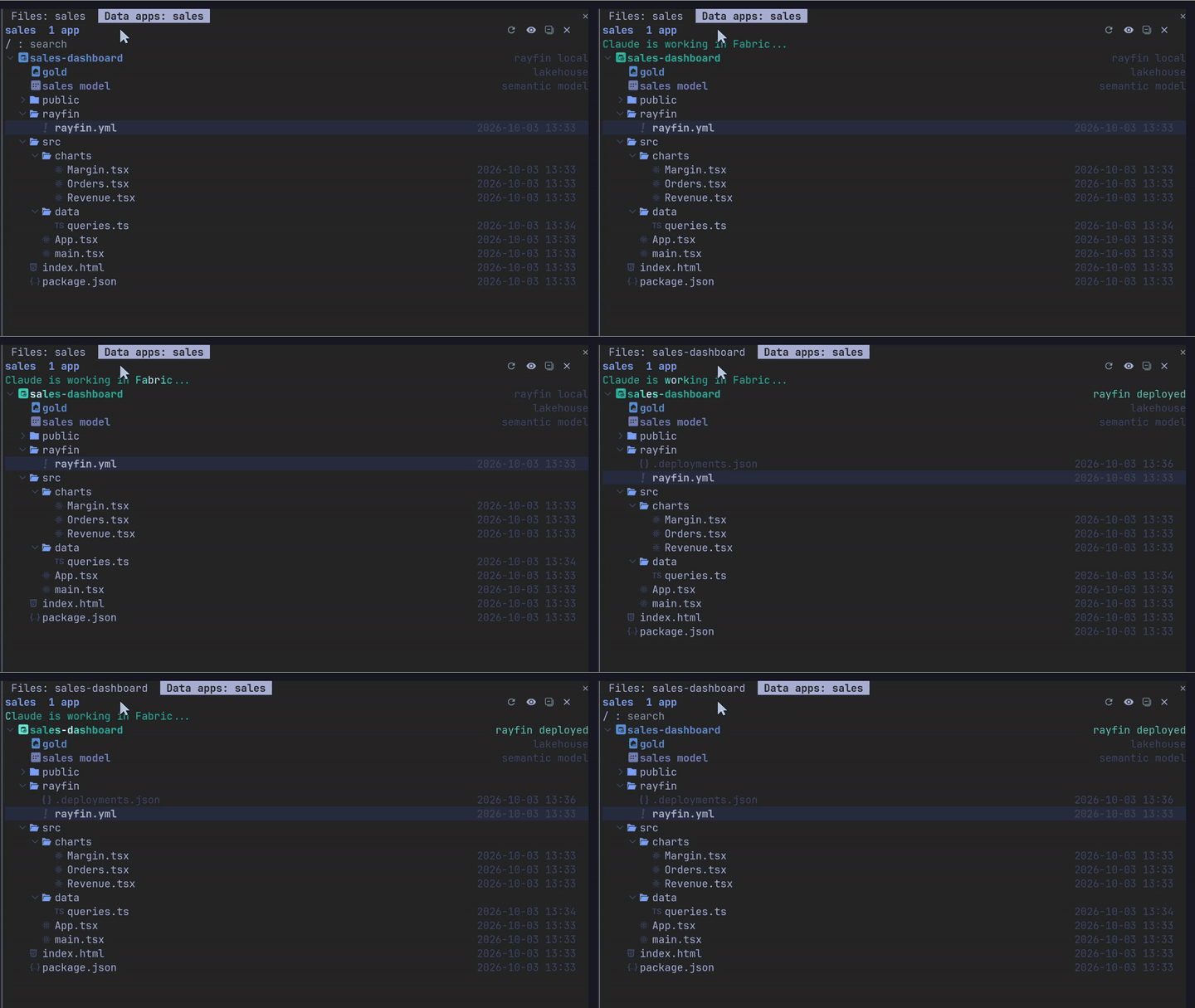
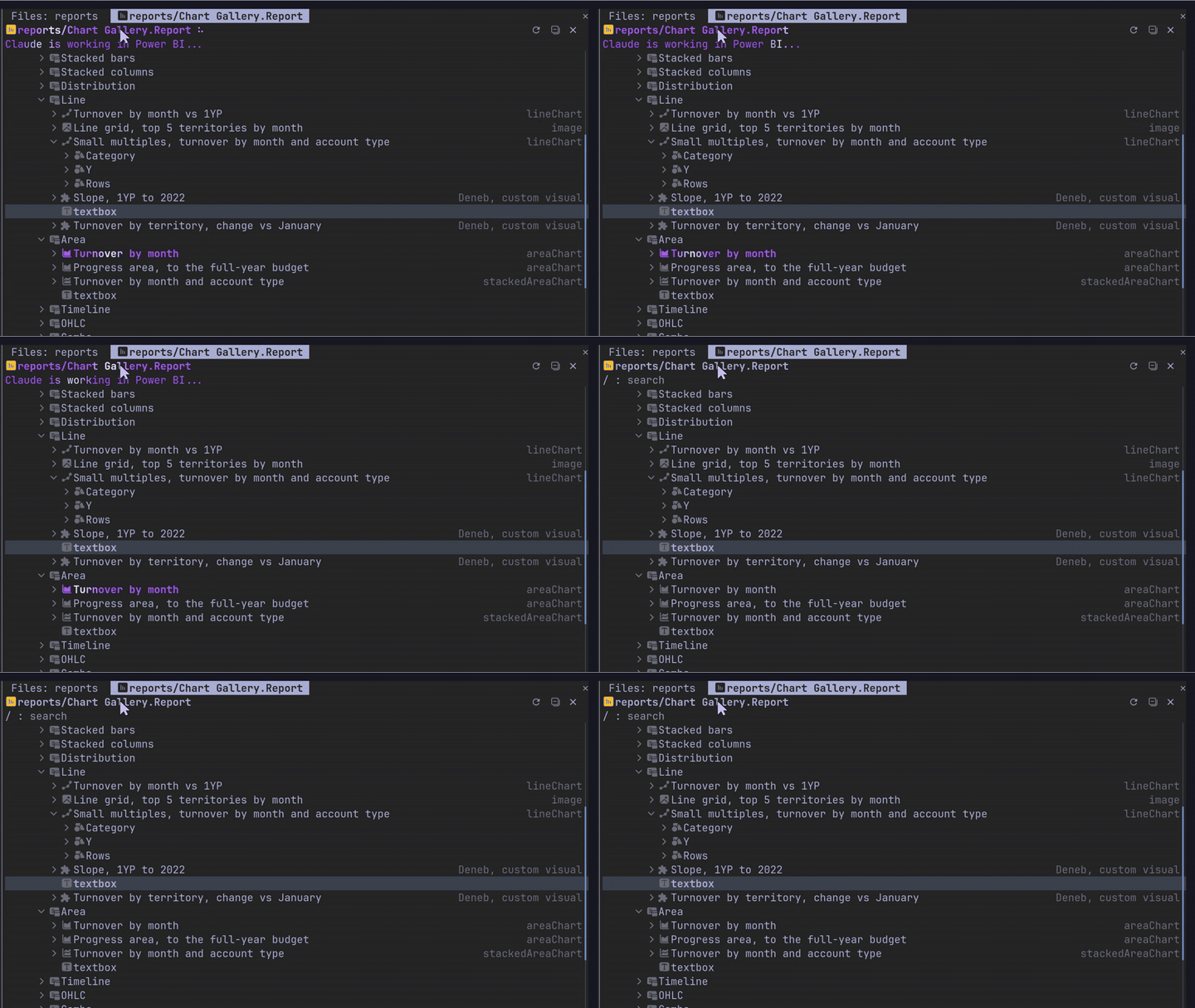
remcycle keeps what you decided and questions notes that have gone stale. The mod needs the dream command, installed with uv tool install remcycle. Without it the mod loads and does nothing. Needs Claude Code 2.1.287 or later in the terminal, or 2.1.286 in the desktop app. It does nothing on claude.ai or in Cowork. At the start of a conversation it adds up to three blocks to what Claude is given: what applies to all your work, what was learned about the project, and what earlier sessions left unfinished. Claude gets recall, close_thread, and settle_memory. The mod answers those three by running dream, and it lets every other tool call go on. A read of a memory file goes through. If that memory names a missing file, it adds a line. /remcycle opens the panel. A press of a panel button runs dream close, reopen, or resolve. The daily dream is on: the first session after 20 hours starts it. dream daily off, or the switch in the panel, turns it off. The author says one long session came to about $0.60 at API prices. The dream sends session prose to the model through your own Claude Code. For unfinished work it also reads recent commits with git and, where gh is installed and signed in, merged pull request titles. The mod itself makes no network requests.
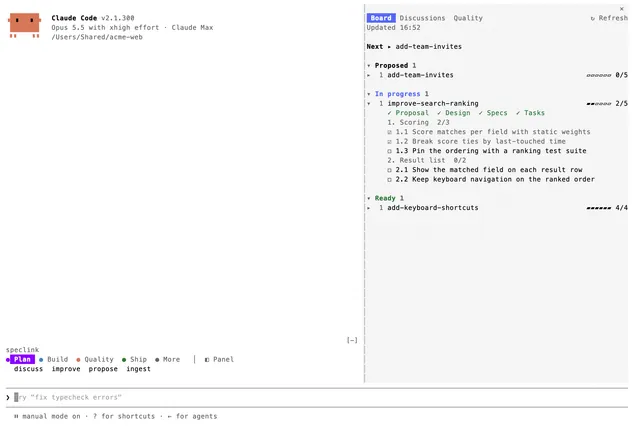
The install name is remcycle. This page adds the author's name. The install lines are the root README. The marketplace entry points at the mod folder, pinned to v0.4.1. The panel is why this page files it under workflow. cognee-memory draws a memory status row above the prompt, with a dataset picker, and recalls saved context each turn. supermemory gives Claude memory across sessions through Supermemory, with a recall strip above the prompt that shows what it found for your prompt. This panel shows what is remembered and what is in doubt, and the archive stays on this machine. The model call goes through your own Claude Code, so this page does not list that call as network access. gh, when it is installed and signed in, is the network access. The three blocks, and the line about a missing file, are added to what the model reads. A note you already had is not replaced without asking you. That is a memory ruling, not a refused tool call.
Demo
From the author's repo.
What it hooks into
session.startWhen a session starts
prompt.contextA Claude Code event
tool.callAround a tool call, where it can hold oneRead
ui.focusA Claude Code event
session.endWhen a session ends
command.runWhen you run its slash command/remcycle
ui.renderDraws into the sessionPane
Read from the on() calls in its hook modules. Open its source under Files to check what each one does.
Slash commands 1
/remcycleShow what the dream holds for this project and what waits for your ruling
Files
The author's README and source, 4 files. They load when you open them.